A hot flash is a sudden feeling of intense heat in the face, neck and chest, often with sweating, a faster heartbeat and sometimes chills afterwards; a night sweat is the same thing happening while you sleep. They are the most common symptom of menopause, affecting up to 80% of women, and frequent hot flashes often last for several years. You cannot simply switch them off, but cooling habits, knowing your own triggers and a simple diary can make them easier to manage—and effective treatments exist if they are disrupting your life.
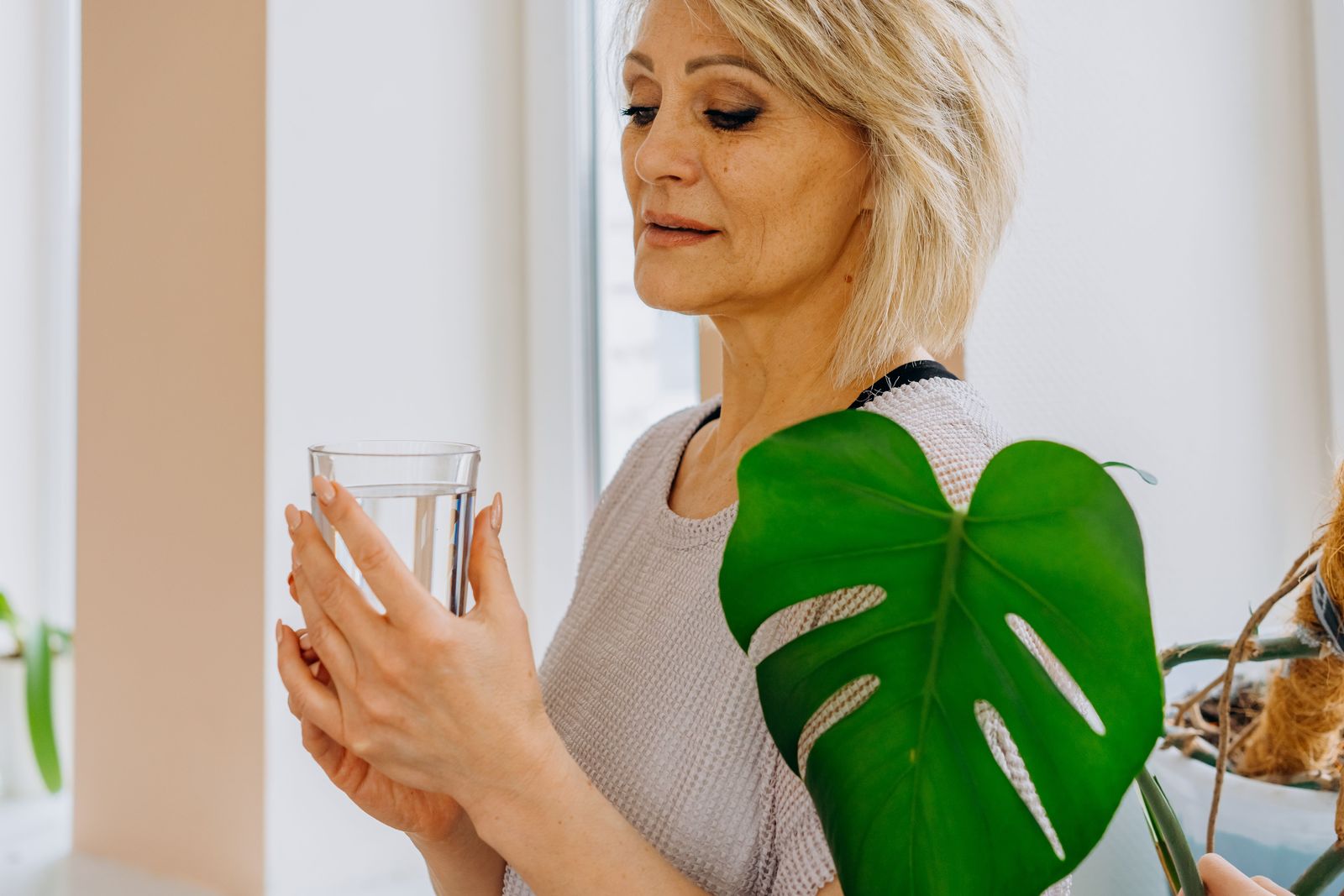 Image source: www.pexels.com
What does a hot flash feel like?
It usually starts as a sudden rush of heat in the upper body—the face, neck and chest—that can make you flush and sweat, and it typically passes within a few minutes.
Every woman describes it a little differently, but the common elements are:
- Heat that rises quickly, often starting in the chest or neck and spreading to the face.
- Sweating and flushed or clammy skin.
- A racing or pounding heart, and for some women a wave of anxiety or dizziness at the same time.
- Chills afterwards. Once the heat passes, you may suddenly feel cold or even shiver.
The NHS describes episodes that last several minutes, and The Menopause Society puts a typical episode at between 1 and 5 minutes. Intensity varies a lot: a mild hot flash can feel like warmth without any sweating, while a severe one can be strong enough to make you stop what you are doing. Frequency varies too—Cleveland Clinic notes that up to 1 in 3 women report more than ten hot flashes a day.
What are night sweats, and why do they wake you up?
Night sweats are hot flashes that happen during sleep. They can be heavy enough to soak your nightclothes and bedding even when the room is cool, and they often wake you.
During a night sweat you may feel a sudden wave of heat in your neck, chest and upper body, notice your heart beating faster, and then feel cold once the sweating stops. Throwing the covers off and pulling them back on a few minutes later is a familiar pattern.
Because they interrupt sleep, night sweats can make other symptoms harder to cope with. The NHS notes that sleep problems may be worse if you also have night sweats, and The Menopause Society says hot flashes may contribute to sleep and mood issues. If you keep waking in the small hours, our article on why you might wake up at 3 a.m. during perimenopause and menopause looks at the other reasons too.
How common are hot flashes, and how long do they last?
Very common—The Menopause Society says they affect up to 80% of women around menopause—and for many women they last for years rather than months, often easing over time.
Some numbers to put this in context:
- When they start. Hot flashes can begin while you still have periods, as soon as your cycle starts to change or you begin skipping periods. Cleveland Clinic says as many as 3 in 4 women report hot flashes in perimenopause.
- How long they last. The Menopause Society gives an average of 7 to 10 years. In the Study of Women's Health Across the Nation (SWAN), a large US study that followed more than 3,000 women through the menopause transition, frequent hot flashes and night sweats lasted a median of 7.4 years, and continued for a median of 4.5 years after the final period.
- Who tends to have them longer. In the same study, women whose hot flashes started early—while their periods were still regular or only just changing—had them the longest. The NHS notes that women from a Black ethnic background are more likely to have hot flushes that are severe and last longer.
- Into your sixties. For some women they do not stop at 60. An Australian survey found moderate to severe hot flashes or night sweats in 6.5% of postmenopausal women aged 60 to 65, and a review of studies in women over 65 found that a considerable proportion still had them.
The good news in the long view: The Menopause Society says that in most women, hot flashes ease over time. For a wider look at the timeline, see how long menopause lasts.
What causes hot flashes, and what can trigger them?
Hot flashes are linked to the hormonal changes of menopause: as estrogen falls, the body's temperature control can be disrupted, although the exact mechanism is not fully understood. On top of that, everyday triggers can set off an individual episode.
Common triggers listed by the NHS and Cleveland Clinic include:
- hot weather, a warm room, or heavy clothing;
- hot drinks such as coffee, tea or hot chocolate;
- caffeine and alcohol;
- spicy food;
- smoking;
- stress;
- hot showers or baths.
Some things also make hot flashes more likely overall. The Menopause Society notes that both current and past smoking increase the risk, as does a higher level of abdominal fat in women earlier in the transition.
Triggers are personal. One woman notices a hot flash after every glass of wine; another reacts to a busy morning more than to anything she eats. That is why your own notes (see below) are more useful than any general list.
What can you do day to day to feel cooler?
Simple cooling steps—light layers, a cool bedroom, a fan or a cold drink—and avoiding the triggers you notice are the everyday measures the NHS suggests.
During the day
- Dress in layers so you can take one off quickly.
- Keep a fan nearby, have a cold drink, or take a cool shower when you need to.
- Notice your own triggers and try reducing one at a time—for example caffeine, hot drinks, spicy food or alcohol.
- Look for ways to lower your stress level; Cleveland Clinic mentions breathing exercises, yoga and meditation.
At night
- Keep your bedroom cool and wear lightweight nightclothes; cotton or linen pyjamas are a practical choice.
- Use light, layered bedding you can remove during the night.
- Keep a glass of cold water by the bed.
Over the longer term
- Not smoking is one of the NHS recommendations, and smoking can make menopause symptoms worse.
- The NHS also suggests exercising regularly and keeping to a healthy weight. Cleveland Clinic adds that it is best to exercise in a cool environment. Our guide to exercise during menopause has ideas that fit this stage of life.
It is fair to be honest about the evidence. The Menopause Society notes that cooling techniques, trigger avoidance and exercise have limited solid data as treatments for hot flashes themselves, while still recognising their value for overall health. In other words, these steps are low-risk ways to feel more comfortable, not a guaranteed fix. If hot flashes or night sweats are disrupting your sleep, work or mood, effective treatment options exist, and it is worth talking them through with your doctor.
Why keep a hot flash diary, and what should you write down?
A few weeks of notes can show which triggers matter for you, how often episodes happen and how much they affect your sleep—and they give your doctor something concrete to work with.
Useful things to record:
- When: time of day, and whether it woke you at night;
- How strong: mild, moderate or severe; whether you had to stop what you were doing;
- What came before: a hot drink, coffee, alcohol, a spicy meal, a warm room, a stressful moment;
- How you slept: how many times you woke, and whether your sheets or nightclothes were damp;
- Your cycle: if you still have periods, the dates of your period, so you can see whether hot flashes cluster around it;
- Anything unusual: a high temperature, weight loss you can't explain, or night sweats with other symptoms—these belong in a conversation with your doctor, not just in a diary.
In the Menoup app you can log "Hot flash" and "Night sweats" as symptoms, with an intensity and triggers such as "Caffeine", "Alcohol", "Stress", "Heat" or "Period". Your sleep and your cycle have their own diaries in the app, so you can see them side by side. Mona, the app's AI companion, can help you look at those patterns and share general, evidence-informed information—it isn't a substitute for advice from your doctor.
If you are wondering whether your hot flashes are part of a wider picture of perimenopause symptoms, our free 25-symptom self-test can help you see what you are experiencing in one place.
When should you see a doctor about hot flashes or night sweats?
See your doctor if hot flashes or night sweats are affecting your daily life or sleep, or if night sweats come with a high temperature, weight loss you can't explain or other new symptoms.
Book an appointment if:
- hot flashes are interfering with your life, work or sleep, and you would like to know your options;
- you have night sweats regularly that wake you up or worry you.
Don't wait to get checked if:
- you have night sweats together with a very high temperature, or you feel hot, cold or shivery, or you have a cough or diarrhoea;
- you have night sweats and are losing weight for no reason.
Not every hot flash or night sweat is caused by menopause. The NHS lists anxiety, some medicines, low blood sugar and alcohol among other common causes of night sweats, and Cleveland Clinic notes that thyroid disorders, infections and certain medications can cause hot flashes too. If you are not in perimenopause or menopause and have hot flashes, another cause may be responsible. If you are unsure, Is This Perimenopause—or Is Something Else Going On? walks through other common explanations.
Frequently Asked Questions
Can you still have hot flashes at 65 or 70?
Yes, some women do. An Australian survey found moderate to severe hot flashes or night sweats in 6.5% of women aged 60 to 65 after menopause, and studies of women over 65 show that a considerable share still have them. If hot flashes start for the first time years after menopause, or come with other new symptoms, ask your doctor to check for other causes.
Why do I get chills after a hot flash or night sweat?
Chills are a common part of the experience. The Menopause Society notes that hot flashes may come with chills and shivering, and when the sweating stops at night you may suddenly feel cold, especially if your sheets are damp. Layered bedding you can pull back on helps.
Are night sweats with a raised temperature a menopause symptom?
Night sweats are a common menopause symptom, but night sweats that come with a high temperature need checking. The NHS advises seeing a GP if you have night sweats together with a very high temperature, or you feel hot, cold or shivery, have a cough or diarrhoea, or are losing weight for no reason.
Can hot flashes start before my periods stop?
Yes. Cleveland Clinic says hot flashes can begin as soon as your cycle becomes irregular or you start skipping periods. Night sweats can also occasionally happen around a period because of hormone changes in the menstrual cycle, though this is less common.
What is the best remedy for hot flashes?
There is no single remedy that works for everyone, and what is right for you depends on your health history. Talk to your doctor or pharmacist about the options—including before you try any herbal or "natural" product, as the NHS advises.
Last updated: October 11, 2026
Medical Note: This article is for general information and doesn't replace advice from your doctor. If your hot flashes or night sweats are severe, persistent or worrying you—or if they come with a fever, weight loss or other new symptoms—please talk to your doctor or healthcare provider.
References
- NHS. Symptoms of menopause and perimenopause. nhs.uk
- The Menopause Society. Hot Flashes. menopause.org
- Cleveland Clinic. Hot Flashes: Triggers, How Long They Last & Treatments. my.clevelandclinic.org
- Cleveland Clinic. Night Sweats: Menopause, Other Causes & Treatment. my.clevelandclinic.org
- NHS. Night sweats. nhs.uk
- NHS. Things you can do to help menopause and perimenopause symptoms. nhs.uk
- Avis NE, Crawford SL, Greendale G, et al. Duration of Menopausal Vasomotor Symptoms Over the Menopause Transition. JAMA Internal Medicine. 2015;175(4):531–539. pmc.ncbi.nlm.nih.gov
- Gartoulla P, Worsley R, Bell RJ, Davis SR. Moderate to severe vasomotor and sexual symptoms remain problematic for women aged 60 to 65 years. Menopause. 2015;22:694–701. europepmc.org
- Zeleke BM, Davis SR, Fradkin P, Bell RJ. Vasomotor symptoms and urogenital atrophy in older women: a systematic review. Climacteric. 2015;18:112–120. europepmc.org
Want more articles like this? Sign up for the Menoup newsletter and get new, evidence-based articles about the menopause years in your inbox. Sign up