Protein becomes increasingly important after the age of 40 because the body gradually becomes less efficient at building and maintaining muscle. During perimenopause and menopause, hormonal changes—particularly declining estrogen—can accelerate the loss of lean muscle mass while also affecting metabolism, bone health, recovery, and overall physical function. Eating enough high-quality protein throughout the day, combined with regular strength training, is one of the best-supported ways to help preserve muscle as you get older.
This article answers one question: how much protein do women need after 40, and why? If you are more interested in putting protein and fibre first instead of counting calories, read Protein and Fiber After 40: Why Do They Matter More Than Calories?
Many women begin worrying about protein only after they notice changes they can't easily explain.
Perhaps you've always eaten the same breakfast, but now you're hungry again before lunch.
Maybe your workouts don't feel as rewarding as they used to.
Or you've realized that carrying groceries, climbing stairs, or recovering after exercise takes a little more effort than it did a few years ago.
At first glance, these changes don't seem connected. But they often share something in common: your muscles are changing, and with them, your body's relationship with protein.
For years, nutrition conversations around menopause focused almost entirely on calories and weight. Today, research paints a very different picture. Experts increasingly agree that maintaining muscle—not simply losing weight—may be one of the most important goals during midlife and beyond. Protein plays a central role in that process, supporting muscles, bones, metabolism, immune function, recovery, and overall independence as we age.
Why Does Protein Become More Important After 40?
As we age, our bodies become less efficient at building muscle, making adequate protein intake increasingly important.
Beginning in midlife, muscle mass naturally starts to decline. This gradual process, known as age-related muscle loss, happens to everyone. However, during perimenopause and menopause, declining estrogen can accelerate these changes.
Without enough protein—and without regular resistance exercise—the body finds it harder to repair and build muscle tissue after everyday activity. Over time, this may contribute to reduced strength, slower metabolism, poorer balance, lower bone strength, and longer recovery times after illness or injury. The encouraging news is that muscle remains remarkably adaptable. Research shows that strength training builds muscle mass and strength in later life too, and that it works best alongside enough protein.
What Does Protein Actually Do in the Body?
Protein provides the building blocks your body uses to repair, maintain, and create tissues throughout your life.
Although many people associate protein only with athletes, it plays an essential role in almost every organ system. Protein helps build and maintain skeletal muscle, bones, skin, hair, connective tissue, enzymes, hormones, antibodies, and internal organs.
Every day, your body is constantly breaking down old proteins and replacing them with new ones. To do that efficiently, it needs a regular supply of amino acids from the foods you eat. When protein intake is consistently too low, your body has fewer resources available for repair and maintenance, which becomes even more critical during the menopausal transition.
Why Do Hormonal Changes Affect Muscle?
Estrogen supports muscle function directly and indirectly, so declining estrogen can make it easier to lose muscle and harder to rebuild it.
Estrogen is often discussed in relation to reproductive health, but its influence extends much further. Muscle responds to estrogen, and research links estrogen levels with muscle strength and how well muscle fibres work.
As estrogen levels fluctuate during perimenopause and settle at lower levels after menopause, some women notice reduced strength and find it harder to keep muscle, even when they're as active as before. This makes the combination of sufficient dietary protein and regular resistance exercise more important than ever.
Is Eating More Protein the Same as Eating More Meat?
No. Protein comes from many different foods, both animal and plant-based.
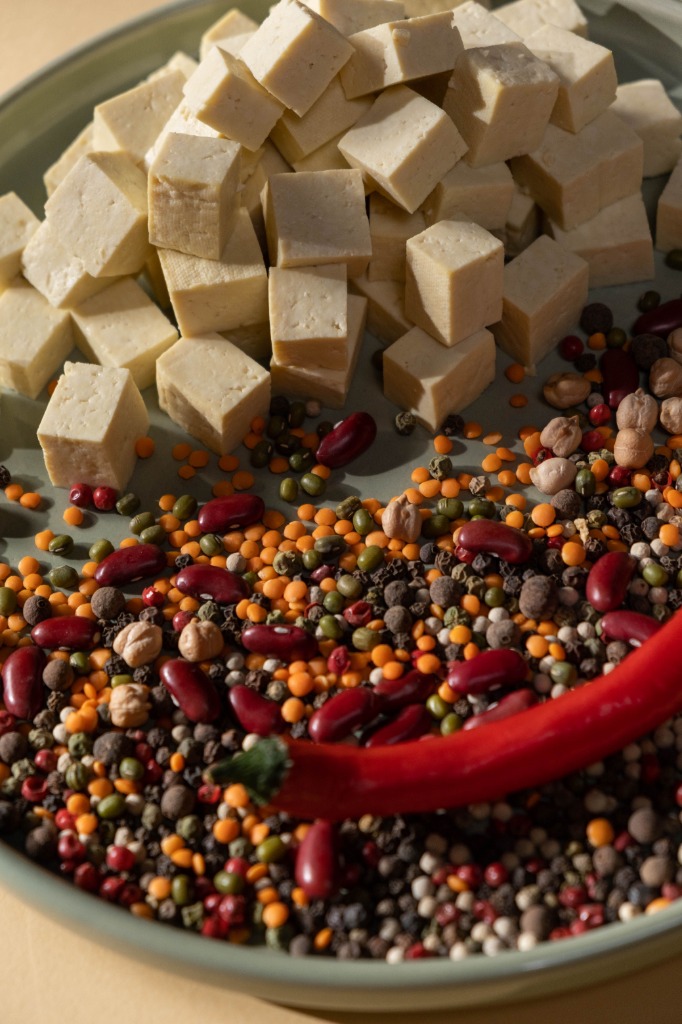
One of the biggest misconceptions about protein is that it requires eating large amounts of meat. In reality, high-quality protein can come from a wide variety of foods, including fish, eggs, Greek yogurt, cottage cheese, poultry, soy foods (tofu, tempeh, edamame), lentils, beans, chickpeas, quinoa, nuts, and seeds.
Many women benefit from combining different protein sources throughout the day. Research suggests that distributing protein more evenly across meals (rather than consuming most of it at dinner) supports muscle protein synthesis more effectively.
Can Protein Help Prevent Weight Gain During Menopause?
Protein alone isn't a weight-loss solution, but it can support healthy body composition in several important ways.
Higher-protein meals help you feel fuller, support muscle preservation during weight loss, and require slightly more energy for digestion (the thermic effect of food). Combined with regular movement and balanced nutrition, adequate protein helps women focus on preserving lean muscle rather than simply reducing body weight. Healthy aging is about remaining strong, mobile, and independent.
How Much Protein Do Women Over 40 Actually Need?
Many experts now suggest that women around and after menopause may benefit from more protein than the standard recommendation, especially if they're physically active.
The Recommended Dietary Allowance (RDA) for protein is 0.8 grams per kilogram of body weight per day. It was set as a single figure for all adults, and experts increasingly argue that it may be too low for older adults who want to keep their muscle.
European expert groups recommend about 1.0–1.2 g/kg/day for postmenopausal women and healthy older adults, and at least 1.2 g/kg/day for those who exercise or are otherwise active.
| Body Weight | Approximate Daily Protein (1.2 g/kg, upper end of the range) |
|---|---|
| 55 kg (121 lb) | 66 g |
| 60 kg (132 lb) | 72 g |
| 70 kg (154 lb) | 84 g |
| 80 kg (176 lb) | 96 g |
These aren't strict daily targets, just a rough guide. A doctor or dietitian can tell you what fits you.
Is More Protein Always Better?
Not necessarily. More isn't always better—adequate and balanced is the goal.
Protein is essential, but extremely high-protein diets are not automatically healthier. For most women, the focus should be on meeting protein needs consistently while maintaining an overall balanced dietary pattern that includes vegetables, fruit, whole grains, legumes, healthy fats, calcium-rich foods, and fiber.
Does It Matter When You Eat Protein?
Yes. Spreading protein across the day appears to support muscle maintenance better than eating most of it at dinner.
Research suggests that muscle protein synthesis is stimulated each time we consume an adequate amount of high-quality protein. Instead of saving most protein for dinner, many experts recommend including protein at every meal (e.g., eggs or Greek yogurt at breakfast, chicken or lentils at lunch, and salmon or tofu at dinner).
What Are the Best Sources of Protein?
The best protein source is one that fits your dietary preferences while providing high nutritional value.
- Fish: High-quality protein, omega-3 fatty acids, and vitamin D.
- Eggs: Nutrient-dense, rich in essential amino acids, and highly versatile.
- Dairy: Greek yogurt, cottage cheese, kefir, and milk provide protein, calcium, and vitamin B12.
- Poultry & Lean Meat: Provide complete protein, iron, zinc, and vitamin B12.
- Plant Proteins: Beans, lentils, soy products (tofu, tempeh, edamame), chickpeas, quinoa, nuts, and seeds.
Do You Need Protein Immediately After Exercise?
Eating protein after exercise can support muscle repair, but the exact timing is less important than meeting your overall daily protein needs.
If you've eaten protein within a few hours before or after exercise, you're likely supporting muscle recovery effectively. What's far more important is exercising consistently, and eating enough protein across the whole day.
Can You Get Enough Protein Without Supplements?
Yes. Most healthy women can meet their protein needs through food alone.
You don't need protein powders or shakes. A variety of protein-rich foods across your meals gives you protein plus vitamins, minerals and fibre. If you're unsure whether you're getting enough, a registered dietitian can help.
Common Myths About Protein After 40
Many popular beliefs about protein are not supported by current scientific evidence.
- Myth: "Protein is only for athletes." Reality: Every woman needs protein for muscle maintenance, immune function, healthy aging, and tissue repair.
- Myth: "Older women should eat less protein." Reality: Protein needs may actually increase slightly with age because the body becomes less efficient at using dietary protein.
- Myth: "Plant proteins aren't good enough." Reality: A well-planned plant-based diet can provide enough protein. The key is eating enough total protein from varied sources.
- Myth: "Eating more protein automatically builds muscle." Reality: Protein supports muscle growth, but resistance exercise provides the stimulus that tells the body to build and maintain muscle.
- Myth: "Protein damages healthy kidneys." Reality: In healthy adults, studies haven't shown higher-protein diets harming kidney function. If you have kidney disease, talk to your doctor before changing how much protein you eat.
Can Protein Help Protect Bone Health?
Yes. Protein is an important part of maintaining healthy bones, especially when combined with adequate calcium, vitamin D, and regular weight-bearing exercise.
Protein makes up about half of bone's volume and roughly a third of its weight, forming the framework that minerals build on. Research suggests that enough protein, together with calcium and vitamin D, supports bone health, although the effect on bone density looks modest.
Does Protein Affect Your Metabolism?
Yes—but probably not in the way social media often suggests.
Protein influences metabolism by helping preserve metabolically active muscle tissue, requiring slightly more energy to digest (the thermic effect of food), and increasing satiety, which supports healthy body composition.
What Does a High-Protein Day Actually Look Like?
You don't need complicated recipes or expensive products to meet your protein needs.
- Breakfast: Greek yogurt, fresh berries, chia seeds, and a handful of walnuts.
- Lunch: Grilled chicken, quinoa, mixed vegetables, and olive oil dressing.
- Afternoon Snack: Cottage cheese, sliced cucumber, and whole-grain crackers.
- Dinner: Baked salmon, roasted vegetables, and lentils.
How Can You Tell If You're Eating Enough Protein?
Most people already eat enough protein in total, but it isn't always spread across the day.
A simple check: does each of your main meals include a source of protein? If you'd like a closer look, a registered dietitian can assess your diet and give you personal advice.
Protein Is Only One Piece of Healthy Aging
Protein is essential, but it works best alongside other healthy habits.
Protein is most effective when combined with regular strength training, daily physical activity, restorative sleep, a diet rich in vegetables and fruit, stress management, and limiting excessive alcohol intake.
When Should You Speak With a Healthcare Professional or Dietitian?
Most healthy women can safely increase protein intake by eating more protein-rich foods. However, personalized guidance is recommended if you have kidney or liver disease, difficulty swallowing, unintentional weight loss, poor appetite, or follow a highly restrictive diet.
Frequently Asked Questions
How much protein should a woman over 40 eat each day?
There is no one-size-fits-all answer. While the RDA is 0.8 g/kg/day, European expert groups suggest about 1.0–1.2 g/kg/day for postmenopausal women and older adults, and at least 1.2 g/kg/day for active women.
Is eating more protein helpful if I don't exercise?
Protein is important for health, but resistance exercise is needed to build and maintain muscle. Combining both produces the greatest benefits.
Are protein shakes necessary?
No. Most women can meet their protein needs through food alone, so you don't need protein shakes.
Can I eat too much protein?
Extremely high-protein diets are unnecessary. A balanced intake within evidence-based recommendations is generally sufficient.
Which protein source is best?
There is no single best source. Fish, eggs, dairy products, poultry, soy foods, and legumes can all contribute to a healthy diet.
Does protein help with menopause weight gain?
Protein alone won't prevent weight gain, but it supports muscle maintenance, satiety, and healthy body composition as part of a balanced lifestyle.
Read next:
Last updated: October 10, 2026
Medical Note: This article is for informational purposes only and does not replace professional medical advice. If you experience severe, persistent or concerning symptoms, consult your doctor or healthcare provider.
References
- Deutz NEP, et al. Protein intake and exercise for optimal muscle function with aging: Recommendations from the ESPEN Expert Group. Clinical Nutrition. 2014. pmc.ncbi.nlm.nih.gov
- Bauer J, et al. Evidence-based recommendations for optimal dietary protein intake in older people: a position paper from the PROT-AGE Study Group. Journal of the American Medical Directors Association. 2013. experts.mcmaster.ca
- Rizzoli R, et al. The role of dietary protein and vitamin D in maintaining musculoskeletal health in postmenopausal women: a consensus statement from the European Society for Clinical and Economic Aspects of Osteoporosis and Osteoarthritis (ESCEO). Maturitas. 2014. esceo.org
- Women's Health Concern (British Menopause Society). Nutrition in menopause (fact sheet). womens-health-concern.org
- British Menopause Society. Menopause: nutrition and weight gain (Tool for Clinicians). 2026. thebms.org.uk
- Mamerow MM, et al. Dietary Protein Distribution Positively Influences 24-h Muscle Protein Synthesis in Healthy Adults. The Journal of Nutrition. 2014. pmc.ncbi.nlm.nih.gov
- Jäger R, et al. International Society of Sports Nutrition Position Stand: protein and exercise. Journal of the International Society of Sports Nutrition. 2017. pmc.ncbi.nlm.nih.gov
- Devries MC, et al. Changes in Kidney Function Do Not Differ between Healthy Adults Consuming Higher- Compared with Lower- or Normal-Protein Diets: A Systematic Review and Meta-Analysis. The Journal of Nutrition. 2018. experts.mcmaster.ca
- Tsagari A. Dietary protein intake and bone health. Journal of Frailty, Sarcopenia and Falls. 2020. pmc.ncbi.nlm.nih.gov
- Pesta DH, Samuel VT. A high-protein diet for reducing body fat: mechanisms and possible caveats. Nutrition & Metabolism. 2014. pmc.ncbi.nlm.nih.gov