Anxiety can become more noticeable during perimenopause, when hormone changes, poor sleep, hot flashes and everyday stress overlap. Learn what is common, what you can try and when to seek medical advice.
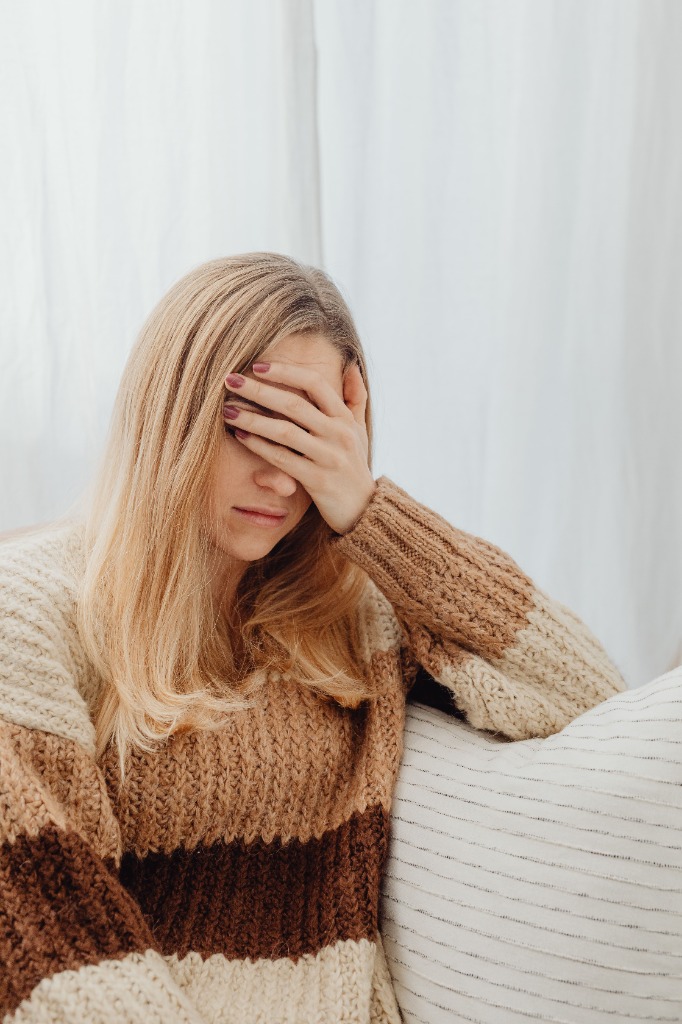
Anxiety can become more noticeable during perimenopause, even in women who have never thought of themselves as anxious before. Hormone fluctuations, disrupted sleep, hot flashes, night sweats and life stress can all overlap, making you feel more worried, tense, irritable, panicky or “not quite yourself.” This does not mean everything is “just hormones,” and it does not mean you should ignore it. But perimenopause can be one important piece of the puzzle. The NHS lists mood swings, low mood and anxiety among menopause and perimenopause symptoms, and notes that these symptoms may feel worse if you have sleep problems and feel very tired.
Why can anxiety suddenly feel stronger after 40?
Anxiety can feel stronger after 40 because the uneven hormonal shifts of perimenopause can coincide with poorer sleep, hot flashes and a heavy load of work and family responsibilities. Each of these can add pressure on its own; together they can make worry harder to shake off.
There is a particular kind of confusion that many women describe in midlife.
You are still functioning. You still go to work. You still answer messages, organize appointments, remember school events, plan dinner, reply politely when you would rather disappear under a blanket, and somehow keep life moving.
But inside, something feels different.
You may wake up already tense. You may overthink things that never used to bother you. A small comment can stay in your head for hours. Your patience becomes shorter. Your body feels alert even when nothing dangerous is happening. You may sit on the sofa in the evening and think, Why am I so on edge? I should be fine.
And that is often the sentence that hurts most: I should be fine.
Because on paper, nothing dramatic may have changed. But inside your body, quite a lot may be changing.
Perimenopause is not only about periods becoming irregular. It is not only about hot flashes. It is the transition toward menopause, and Cleveland Clinic describes hormone levels during this time as going “up and down like a rollercoaster.” Its list of common symptoms includes irritability, depression and mood swings, and it notes that many people also report feeling more anxious in perimenopause.
That does not mean every anxious feeling after 40 is caused by perimenopause. Real life still matters. Work stress matters. Relationships matter. Financial pressure matters. Parenting teenagers, caring for aging parents, running a home, managing your body, and trying to still have some version of yourself left at the end of the day — yes, all of that matters.
But if anxiety appears or becomes noticeably stronger during the same period when your cycle, sleep, temperature, energy or mood starts changing, it is reasonable to consider perimenopause as part of the picture.
Not as an excuse.
As information.
What does perimenopause anxiety feel like?
Perimenopause anxiety can feel like worry, tension, irritability, panic, racing thoughts, inner restlessness, trouble relaxing, or a sense that your body is constantly “on alert.” For some women, it feels emotional. For others, it feels mostly physical.
This is one of the reasons many women do not immediately recognize it as anxiety.
It may not look like sitting in a corner thinking, I am anxious.
It may look like:
- You cannot tolerate noise the way you used to.
- You feel rushed even when you are not late.
- You wake in the middle of the night and your brain immediately starts solving every problem from the last ten years.
- You suddenly worry about your health, your children, your work, your future, your relationship, your parents, your body, your money — sometimes all before breakfast.
- You feel irritated by small things and then guilty for feeling irritated.
- You feel your heart beating harder and wonder if something is wrong.
- You cannot fully relax, even when you technically have time to rest.
- You feel emotionally thin-skinned, as if life is touching a bruise.
For some women, anxiety during perimenopause shows up as classic worry. For others, it feels more like agitation, impatience, overwhelm, dread, or a sudden loss of confidence.
This matters because many women blame their personality.
They think, I am becoming difficult.
Or, I am not coping well enough.
Or, Maybe I am just weak.
No. That is not the right starting point.
A better starting point is: Something has changed in my body, my stress load, my sleep or my environment. What patterns can I notice?
That is a much kinder and more useful question.
How do hormones affect anxiety during perimenopause?
Hormones may play a part because estrogen and progesterone do not decline in a straight line during perimenopause; they can rise and fall unpredictably. Researchers link these swings with mood symptoms in some women, although the exact mechanism is not yet known.
This is important because many women imagine menopause as a simple “low estrogen” state.
In reality, perimenopause can be messier than that.
Estrogen may be high one month, lower the next, then fluctuate again. Progesterone may change as ovulation becomes less regular. Your cycle may still come, but it may not behave the way it used to. The result can feel like your body has changed the rules without sending you the new instruction manual.
The Menopause Society notes that mood symptoms may be related to big swings in estrogen levels during perimenopause, but that the precise mechanism is not known. Progesterone is part of the picture too: the body converts it into allopregnanolone, a substance that acts on the brain’s GABA-A receptors, which are involved in calming nerve activity. A 2023 review describes falling progesterone in perimenopause as associated with mood symptoms — an association that is still being studied, not a settled explanation.
This does not mean hormones are the only cause.
It means hormones can lower the threshold.
Imagine a glass of water. Work stress adds water. A bad night adds water. A skipped lunch adds water. A difficult conversation adds water. Then hormone fluctuations add more water.
The glass overflows — and the overflow may look like anxiety.
Research supports this “more than one factor” view. A review of menopausal symptoms found that both depression and anxiety increase in prevalence as women go through the menopause transition. Another review concludes that a subset of women is especially vulnerable to depressive symptoms during the menopause transition, shaped by hormones, genetics and life circumstances together.
This is why it is too simplistic to say, “It is just hormones.”
But it is also too simplistic to say, “It has nothing to do with hormones.”
The more honest answer is: hormones may be one part of a larger system.
Why can anxiety feel worse when sleep is poor?
Anxiety and poor sleep tend to travel together. During perimenopause, night sweats, hot flashes and night-time waking can disturb sleep, and the NHS notes that mood symptoms may feel worse when you are sleeping badly and very tired.
There is a special kind of anxiety that comes after a bad night.
It is sharper. Less rational. More physical.
You may know perfectly well that one email is not a disaster, one difficult day does not mean your whole life is falling apart, and one strange body sensation does not automatically mean something serious. But after a night of broken sleep, your brain may not care about logic. It wants protection. It scans for problems.
In population studies of the menopause transition, anxiety was linked with every sleep problem the researchers assessed. And during perimenopause, sleep can be disturbed for several reasons: night sweats, hot flashes, stress, alcohol, caffeine, or the night-time wake-up that feels almost personal.
This is why it can make sense to look at sleep too, even when anxiety feels like the main problem.
Not because sleep fixes everything.
But because it is part of the ground floor.
This is also where symptom tracking can be surprisingly helpful. If you use Menoup to record sleep quality, night sweats, cycle changes, caffeine, alcohol, stress and anxious days, patterns may become easier to see. Mona, the app’s AI companion, can help you look at those patterns and share general, evidence-informed information—it isn’t a substitute for advice from your doctor.
Sometimes the pattern is obvious only after you see it written down.
For example:
- Anxiety is worse after two nights of broken sleep.
- Morning panic appears in the week before bleeding.
- Heart racing happens more often after wine.
- Irritability is worse when lunch is skipped.
- Early waking happens after late evening work.
These are not diagnoses. They are clues.
And clues are useful.
Can hot flashes or night sweats trigger anxiety?
They can. The NHS notes that hot flushes can cause palpitations or anxiety, and The Menopause Society says hot flashes might make anxiety worse because they are unpredictable and can be embarrassing. Waking suddenly, hot and with a pounding heart, can feel alarming.
One of the most unsettling parts of perimenopause is that symptoms can feel dramatic even when they are not dangerous.
A hot flash can arrive like a wave. Your face heats up. Your chest feels warm. You may sweat. Your heart may beat faster. You may feel exposed, embarrassed or out of control. If it happens at night, you may wake suddenly, sweaty and alert, with your brain immediately asking, What is wrong?
The NHS describes hot flushes as a sudden feeling of heat in the face, neck and chest that can make you sweat a lot, cause palpitations or anxiety, or make you feel dizzy. The Menopause Society adds that hot flashes might exacerbate anxiety because they are unpredictable and can be embarrassing.
The body does not always separate physical symptoms neatly from emotional reactions.
If your heart pounds, your brain may interpret it as fear.
If you wake suddenly, your brain may look for a threat.
That does not mean the anxiety is imaginary. It means the body and brain are communicating quickly, and sometimes clumsily.
This is why some women describe a loop:
- A hot flash happens.
- The body reacts.
- The brain becomes alarmed.
- Anxiety rises.
- The anxiety makes the body feel even more activated.
- The next hot flash feels scarier.
Understanding that loop is often the first step.
A hot flash is not your body betraying you. It is a temperature-regulation symptom that can feel emotionally intense because it activates the body. Knowing that may not make it pleasant, but for some women it makes it a little less frightening.
Is it anxiety, perimenopause, or “just stress”?
It may be all three. Perimenopause, anxiety and stress can overlap, and it is not always possible to separate them neatly. It can help to look for patterns, timing, triggers, physical symptoms and how much the anxiety affects your daily life — and to talk to a doctor about other possible causes.
This is where women often get stuck.
They ask: Is this perimenopause, or am I just stressed?
But the word “just” is doing too much work there.
Stress is not small. It can affect sleep, appetite, mood and the way you cope with everything else. And midlife stress can be very real.
At the same time, perimenopause can make the same stress feel harder to carry.
The workload may be the same, but your recovery is not.
The family demands may be the same, but your sleep is not.
The responsibilities may be the same, but your hormonal steadiness is not.
So the better question is not always, Which one is it?
The better question may be: What is increasing my anxiety load right now?
You can look at several areas:
- Cycle timing: Does anxiety worsen before a period, during skipped cycles, or when bleeding becomes irregular?
- Sleep: Is anxiety stronger after poor sleep or early waking?
- Temperature symptoms: Do hot flashes or night sweats happen before anxious episodes?
- Caffeine and alcohol: Do you notice a difference on the days you have more?
- Food timing: Do you feel shakier or more on edge when you skip meals?
- Stress load: Are you carrying more than you can realistically recover from?
- Medical factors: Could thyroid problems, anemia, medication side effects, heart rhythm issues or other conditions be involved?
This last point matters.
Perimenopause can explain a lot, but it should not become a basket where every symptom gets thrown and forgotten. Some conditions, such as thyroid problems, can look a lot like perimenopause symptoms.
A good menopause-aware clinician will not dismiss your symptoms. They will help you consider hormones while also ruling out other possible causes when needed.
Can perimenopause anxiety feel physical?
Yes, anxiety can feel very physical. It may show up as a racing heart, chest tightness, shakiness, sweating, nausea, dizziness, muscle tension, shortness of breath or a sudden rush of fear. Because many of these sensations can also have other causes, new or unusual ones should be checked by a doctor.
This is one of the reasons anxiety during perimenopause can be so frightening. If anxiety only arrived as a thought — I am worried about this meeting — it might be easier to recognize. But often it arrives through the body first.
Your heart starts pounding. Your chest feels tight. Your stomach flips. Your hands feel shaky. You feel heat rising. You suddenly need to escape the supermarket, the meeting, the car, the dinner table, or even your own bedroom.
And then your brain does what brains do: it tries to explain the sensation. Am I ill? Is something wrong with my heart? Why do I feel like this? What if this happens again? That second wave — fear of the sensation itself — can make the anxiety stronger.
This does not mean you should ignore physical symptoms. The NHS points out that most panic symptoms can also be symptoms of other conditions or problems. Chest pain, fainting, new shortness of breath, irregular heartbeat, neurological symptoms, severe dizziness, or symptoms that feel unusual for you should always be taken seriously and discussed with a healthcare professional.
But it is also true that anxiety can live in the body. During perimenopause, this can become more noticeable because the body is already going through changes in temperature regulation and sleep. A hot flash can feel like panic. Panic can feel like a hot flash. Poor sleep can make both harder to bear.
This is why tracking can be useful. Not because you need to obsess over every sensation — please do not turn yourself into a full-time detective of your own pulse — but because patterns can make symptoms feel less mysterious.
Why do I feel anxious in the morning during perimenopause?
Cortisol, a stress-response hormone, naturally peaks around the time you wake up. Some women find that mornings feel especially tense after a broken night, during stressful periods or at certain points in their cycle.
Morning anxiety has a very particular cruelty to it. You open your eyes, and before you have even had a chance to become a person, your body is already tense. No coffee yet. No emails yet. No one has said anything annoying yet. And still, your chest feels tight. Your mind starts running. Your day feels heavy before it has begun.
Cortisol plays a key role in the body’s stress response and follows a daily rhythm: Cleveland Clinic explains that most people have lower levels in the evening and peak levels in the morning, right before they wake up. That rhythm is normal. Whether and how it adds to morning anxiety is less clear, but if you want to read more about stress hormones in midlife, see how cortisol and menopause interact.
Poor sleep can play a part. If you woke several times during the night, had night sweats, or lay awake for a long stretch, you may start the morning already under-recovered.
Some women also notice that anxiety feels worse when they go too long without eating, drink coffee before breakfast, or have alcohol the night before. This is not about creating strict food rules. It is about noticing what your own body seems to respond to.
Hormonal fluctuations can add another layer. If anxiety is worse in the days before bleeding, during cycle changes, or in months when your period behaves strangely, that timing may be useful information.
If you would like to experiment gently for a week, you could try not starting the day by checking your phone in bed, opening the curtains or stepping outside, eating something before your first coffee, or taking a short walk. None of this is a cure. It is simply a way to give the morning a slower start and see what you notice.
Can perimenopause cause panic attacks?
Panic attacks can happen during perimenopause, and some of their symptoms, such as sweating and palpitations, overlap with common menopause symptoms. New, severe or physically alarming episodes should be checked by a healthcare professional.
A panic attack can feel like your body has pressed the emergency button without asking you first. The NHS lists symptoms such as a racing heartbeat, feeling faint, sweating, nausea, chest pain, shortness of breath, trembling, dizziness, and a feeling of dread or a fear of dying.
The first time it happens, many women think they are having a heart problem. And that is exactly why new panic-like symptoms should not simply be waved away as “probably menopause.” Cleveland Clinic notes that panic can be hard to recognize in menopause because some symptoms, such as sweating and palpitations, mirror common menopause symptoms — and that frequent, troubling anxiety or panic attacks are not something you should have to just live with.
Once serious medical causes have been considered, it can help to understand how perimenopause might fit into the picture. Hot flashes can feel similar to some panic sensations. Poor sleep can leave you with less in reserve. Life stress can add fuel. Then one day, the body reacts strongly — and the mind becomes afraid of the reaction.
The fear of another panic attack can make you scan your body constantly. Scanning makes every sensation feel important. Every sensation increases fear. And the cycle continues.
The NHS reassures that although panic attacks are frightening, they are not dangerous, and that most last between 5 and 20 minutes. Its self-help suggestions for an attack include staying where you are if possible, breathing slowly and deeply, and reminding yourself that the attack will pass. A calmer internal message might be: This is intense, but it will pass. My body is having an alarm response. If panic attacks keep coming back, talk to your doctor.
What can make perimenopause anxiety worse?
Things that can add to anxiety include poor sleep, high stress, a lot of caffeine, alcohol, skipped meals, little movement, isolation, thyroid problems, medication side effects or an untreated mental health condition. Not all of them apply to everyone.
This is where the conversation becomes practical. You cannot control every hormone fluctuation, but you may be able to reduce some of the extra load on top of it.
Poor sleep
Anxiety and poor sleep are closely linked. If you are regularly waking at night, sweating, or sleeping lightly, it is worth looking at sleep as part of the picture. If your mind starts racing as soon as you lie down, our article on trouble falling asleep during menopause has practical steps for the evening.
Caffeine
Coffee that once made you feel human may now make you feel jittery. The NHS advises people with anxiety not to drink lots of coffee, tea, cola or energy drinks, as caffeine can disrupt sleep, and it lists caffeine among possible hot flush triggers. If you suspect caffeine plays a part, you could try having less, or having it earlier in the day, and see what you notice.
Alcohol
Alcohol can feel calming in the evening, but the NHS lists it among the most common causes of insomnia and advises against using alcohol to relieve anxiety. Some women notice more night waking, hot flashes or morning anxiety after wine or beer, even in amounts they used to tolerate.
Skipped meals
Some women notice that going too long without eating leaves them shaky, irritable or on edge. If that sounds familiar, regular meals are an easy thing to test.
Lack of movement
The NHS notes that regular activity such as walking, running, swimming or yoga can reduce anxiety and stress. Consistency matters more than intensity. Start smaller than your ego wants: a walk around the block counts. If you want a fuller picture, read our guide to exercise during menopause.
Too much mental load
Sometimes anxiety is not a mystery; sometimes you are carrying too much. Perimenopause may make the overload harder to tolerate, but the overload itself is still real. Choose one area, one helpful change, and start there.
What can help with anxiety during perimenopause?
What helps differs from person to person. Many women start with sleep, regular movement, regular meals and less caffeine or alcohol, and talk to a doctor or a mental health professional when anxiety affects daily life.
Start with the basics, but do them kindly: sleep, food, movement, recovery, connection, and medical care when needed.
Start small
A regular breakfast, a short walk after dinner, a slightly earlier bedtime, or writing symptoms down instead of carrying them in your head are all reasonable places to start. Choose one change that relates to the symptom that bothers you most, and try that first.
Use breathing as a tool, not a personality change
The NHS offers a simple calming breathing exercise for stress, anxiety and panic: let your breath flow gently into your belly, breathe in through your nose and out through your mouth, count steadily from 1 to 5 on each breath in and out if that helps, and repeat for at least 5 minutes. It will not make anxiety disappear, but some women find it a useful way to pause.
Talk to someone about support
If anxiety is affecting your relationships, sleep, work, confidence or ability to enjoy life, asking for help is not a failure. Talk to your doctor or a mental health professional about the support that is right for you. For context: NICE’s menopause guideline (NG23) lists cognitive behavioural therapy (CBT) as one option to consider for low mood that comes with hot flushes and night sweats, and for sleep problems linked to them; it does not make a separate recommendation for anxiety.
Can hormone therapy help with anxiety?
The NHS says HRT is effective at relieving most perimenopause and menopause symptoms, including hot flushes, night sweats, sleep problems, and anxiety and low mood caused by menopause. Whether it is right for you depends on your health history and is a decision to make with your doctor.
The NHS lists anxiety and low mood caused by menopause among the symptoms HRT can relieve, alongside hot flushes, night sweats and menopause-related sleep problems.
But hormone therapy is not suitable for everyone. Personal medical history, age, time since menopause, and other health risk factors matter, and the NHS suggests talking to a GP, who will help you decide. This is why the decision belongs in a medical conversation.
What should I track if I feel anxious during perimenopause?
It can help to note when anxiety happens, how you slept, cycle changes and bleeding, hot flashes, night sweats, caffeine, alcohol, meals, exercise, stress and any physical symptoms. Patterns over weeks are often more useful than single-day details.
Over a few weeks or months, a simple record of anxiety level, sleep quality, wake-ups, hot flashes, period dates, caffeine, alcohol and stress can reveal patterns — and give you something concrete to bring to your doctor instead of trying to remember everything.
When should you seek medical advice for anxiety during perimenopause?
Seek medical advice if anxiety is new, severe, persistent or worsening, causes panic attacks, affects sleep or daily life, or comes with physical symptoms such as chest pain, fainting, shortness of breath or an irregular heartbeat. If you have thoughts of harming yourself, get help straight away.
Perimenopause can affect mood, sleep and stress sensitivity. But it should not become the explanation for everything. If your anxiety is mild, occasional and clearly connected to sleep, stress or cycle changes, small changes and tracking may be a reasonable first step. But if anxiety begins to shrink your life, it deserves proper support.
Please speak with a healthcare professional if normal activities are being avoided, if panic attacks are present, if sleep is impossible, or if you experience chest pain, shortness of breath, fainting, unusual bleeding, or a general feeling that something is not right. The Menopause Society suggests seeing a healthcare professional if low mood and related symptoms last most of the day, nearly every day, for at least two weeks.
Women are often taught to wait until symptoms become unbearable before asking for help. You do not have to do that. You can ask earlier. A clinician can look at your cycle history and symptoms and check for other possible causes, such as thyroid problems or anemia, which can feel similar from the inside.
And if you ever have thoughts of harming yourself, or feel that you may not be safe, get help now: call your local emergency number, or find a free, confidential helpline in your country at findahelpline.com. That is not “being dramatic.” That is getting care when care is needed.
What can you try this week if anxiety feels stronger?
Start with small changes that lighten the load: protect sleep, eat regularly, cut back on caffeine or alcohol if they seem to make things worse, move gently, track patterns, and ask for support sooner rather than later.
Please do not try to become a completely new person by Monday. That is how many women accidentally turn self-care into another full-time job. The aim is not to create a perfect routine, but to make your days feel a little less heavy.
Try this for seven days:
1. Notice your anxiety pattern
Once a day, write down three things: how anxious did I feel today from 1 to 10, how did I sleep last night, and where am I in my cycle, if I still have periods. That is enough to begin. Do not make it so complicated that you quit by Wednesday.
2. Eat before the day runs away with you
If mornings are hard, try eating something before your first coffee — whatever works in your life — and see whether you notice a difference.
3. Test one change
Choose one thing to test, not everything: coffee after food instead of before, less caffeine in the afternoon, a few alcohol-free evenings, or less screen time before bed. You are collecting information, not proving your discipline.
4. Move in a way you enjoy
Choose movement that does not feel like punishment: walk, stretch, do Pilates, lift weights, or dance. Regular activity is one of the NHS’s self-help suggestions for anxiety and stress.
5. Create a “not now” list
Anxiety loves to open every file in your brain at bedtime. Before bed, write down the things your brain is trying to solve, and write: “Not now. Tomorrow at ___.” Some people find it easier to let go once the worry is written down somewhere.
6. Tell one person
Anxiety grows in silence. The NHS suggests talking about your feelings to a friend, family member, health professional or counsellor. You could say: “I have been feeling more anxious lately, and I think it may be connected to perimenopause or sleep. I am trying to understand it.” That sentence can reduce shame, and shame is heavy.
How can Menoup help you understand anxiety patterns?
Menoup can make symptom tracking easier. When you log anxiety, sleep, cycle changes, hot flashes, night sweats, stress, food, caffeine or alcohol, you may start to see patterns that are difficult to notice from memory alone.
One of the hardest parts of perimenopause is that symptoms do not always arrive neatly. You may have three good days, then one strange day. You may forget that anxiety was worse before your last period. You may tell your doctor, “I feel all over the place,” because that is honestly the only sentence that fits.
This is where tracking becomes useful. Not obsessive tracking, just gentle recording. With Menoup you can log symptoms quickly and see what changes over time, and Mona can help you look at those patterns and share general information. She does not diagnose or replace your doctor — but a clearer picture can help you ask better questions.
Read next:
Last updated: October 10, 2026
Medical Disclaimer: This article is for information only and does not replace medical advice, diagnosis or treatment. If you have anxiety, panic, heart symptoms, sleep problems, mood changes or unusual bleeding — especially if they are new, severe or persistent — talk to your doctor. If you feel at risk of harming yourself or feel unsafe, call your local emergency number, or find a free, confidential helpline in your country at findahelpline.com.
References
- NHS. Symptoms of menopause and perimenopause. nhs.uk
- NHS. Benefits and risks of hormone replacement therapy (HRT). nhs.uk
- NHS. Panic disorder. nhs.uk
- NHS. Generalised anxiety disorder (GAD): self-help. nhs.uk
- NHS. Insomnia. nhs.uk
- NHS. Breathing exercises for stress. nhs.uk
- NHS. Things you can do to help menopause and perimenopause symptoms. nhs.uk
- National Institute for Health and Care Excellence (NICE). Menopause: identification and management (NG23). 2015, last updated 2026. nice.org.uk
- The Menopause Society. Mental Health. menopause.org
- Cleveland Clinic. Perimenopause: Age, Stages, Signs, Symptoms & Treatment. my.clevelandclinic.org
- Cleveland Clinic. Cortisol: What It Is, Function, Symptoms & Levels. my.clevelandclinic.org
- Cleveland Clinic. Can Menopause Cause Anxiety? 2025. health.clevelandclinic.org
- Santoro N, Epperson CN, Mathews SB. Menopausal Symptoms and Their Management. Endocrinology and Metabolism Clinics of North America. 2015. pmc.ncbi.nlm.nih.gov
- Bromberger JT, Epperson CN. Depression During and After the Perimenopause: Impact of Hormones, Genetics, and Environmental Determinants of Disease. Obstetrics and Gynecology Clinics of North America. 2018. pmc.ncbi.nlm.nih.gov
- Freeman EW. Depression in the menopause transition: risks in the changing hormone milieu as observed in the general population. Women’s Midlife Health. 2015. pmc.ncbi.nlm.nih.gov
- Stefaniak M, Dmoch-Gajzlerska E, Jankowska K, Rogowski A, Kajdy A, Maksym RB. Progesterone and Its Metabolites Play a Beneficial Role in Affect Regulation in the Female Brain. Pharmaceuticals (Basel). 2023. pmc.ncbi.nlm.nih.gov
Key Takeaways
- Anxiety during perimenopause often comes from overlapping physical, hormonal and life factors, rather than one single cause.
- Hormones fluctuate unpredictably during perimenopause, which may lower the threshold for stress and anxiety in some women.
- Anxiety can feel very physical (palpitations, chest tightness, panic), and hot flashes and night sweats can make it worse.
- Anxiety and poor sleep are closely linked, so it can make sense to look at sleep as part of the picture.
- Tracking sleep, cycle dates, caffeine and alcohol can reveal patterns that make symptoms feel less mysterious and conversations with your doctor more productive.
- If anxiety limits your daily life, talk to your doctor or a mental health professional. You do not have to wait until it becomes unbearable.
Frequently Asked Questions
Can perimenopause really cause anxiety?
Perimenopause can contribute to anxiety in some women. The NHS lists anxiety, mood swings and low mood among menopause and perimenopause symptoms, and notes they may feel worse when sleep is poor. Hot flashes, night sweats and life stress often add to it.
Why do I suddenly feel anxious when I was never anxious before?
New anxiety after 40 may be related to perimenopause, but it can also be linked to stress, poor sleep, thyroid problems, anemia, medication effects or other health factors. If anxiety is new, strong or persistent, it is worth speaking with a healthcare professional.
Can perimenopause anxiety feel like a heart problem?
Yes. Anxiety and panic can cause a racing heart, chest tightness, shaking, sweating or shortness of breath. However, new chest pain, fainting, an irregular heartbeat or shortness of breath should always be medically assessed.
Why is anxiety worse before my period during perimenopause?
Some women notice that anxiety is worse at certain points in their cycle. During perimenopause, hormone levels can vary more than before, and research links this greater variability with mood symptoms in some women. Tracking your cycle alongside your mood can show whether there is a pattern worth discussing with your doctor.
Ask Better Questions, Find Better Answers
One of the most reassuring things you can do when dealing with perimenopause anxiety is stop blaming yourself or trying to solve every symptom in isolation. The bigger picture often tells a much clearer story than any single anxious morning, sleepless night, or irregular period.
By tracking symptoms, sleep quality, menstrual changes, mood and lifestyle factors over time, you can begin to recognize patterns instead of relying on memory alone — and be better prepared for an informed conversation with your healthcare provider.
A gentle final note
There is a moment many women reach in perimenopause when they quietly wonder, Is this me now? More anxious. More reactive. More tired. Less confident. But symptoms are not your identity. They are signals. And signals can be listened to, tracked, understood and supported.
You do not have to solve everything at once. Start with one pattern. One small change. One conversation. One night of better support. One honest note in your tracker. You are not going backwards. You are learning a new language your body has started speaking. And you are allowed to need help translating it.