Brojanje kalorija nije pravi alat za ovu životnu fazu. Ono što se najviše mijenja nakon 40. godine jest tvoj odnos prema dva specifična hranjiva sastojka: proteinima i vlaknima. Europski stručni konsenzus (ESCEO) preporučuje 1,0–1,2 g proteina po kilogramu tjelesne težine dnevno za žene u postmenopauzi, uz najmanje 20–25 g po svakom glavnom obroku, kako bi se lakše zaštitile od gubitka mišićne mase koji je vjerojatniji nakon menopauze. Vlakna su jednako važna za metaboličko zdravlje. Ništa od toga nema veze s brojkom na vagi — a ta razlika mijenja ono što vrijedi pratiti.
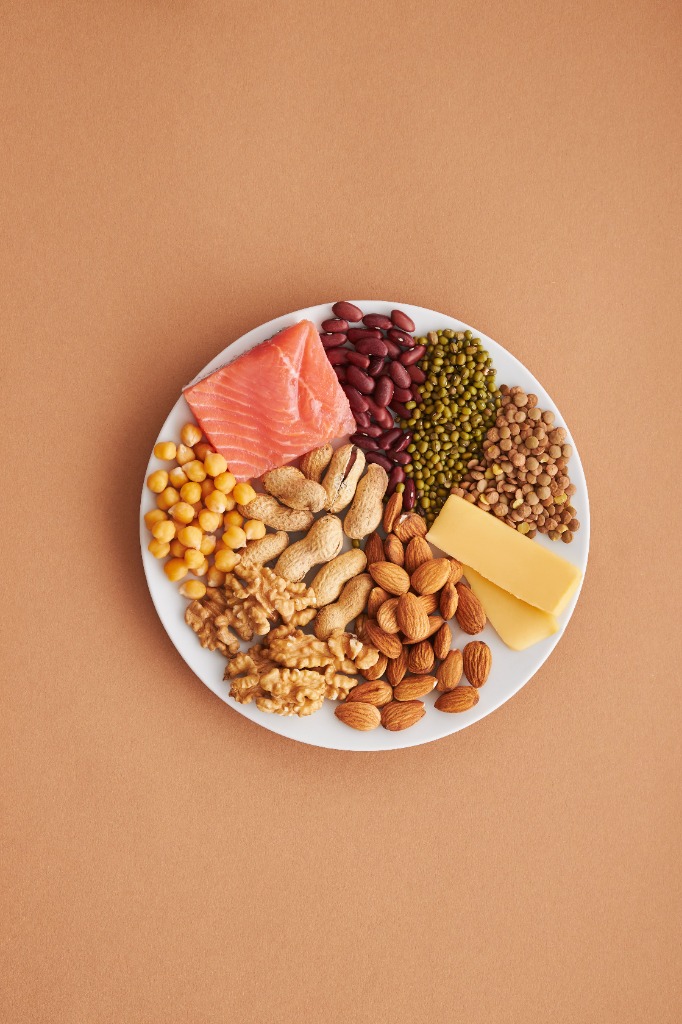 Izvor slike: www.pexels.com
Ovaj članak postavlja jedno pitanje: zašto su proteini i vlakna, a ne kalorije, brojke koje vrijedi pratiti nakon 40. Za više o tome koliko ti je proteina potrebno i kako ih rasporediti tijekom dana pogledaj naš cjeloviti vodič Proteini nakon 40.
Broj koji je sada stvarno bitan: proteini
Europski stručni konsenzus (ESCEO) preporučuje da žene u postmenopauzi dnevno nastoje unijeti 1,0 do 1,2 grama proteina po kilogramu tjelesne težine, uz najmanje 20 do 25 grama po glavnom obroku, kako bi se lakše suprotstavile gubitku mišićne mase povezanom sa starenjem (sarkopeniji).
Ako godinama brojiš kalorije, logika je jednostavna: unesene kalorije naspram potrošenih.
U četrdesetima ta matematika može prestati izlaziti: isti unos kalorija, isti treninzi, drugačije tijelo. Osjećaj da si mekša na način koji nema veze s vagom ili gubitak snage bez promjene treninga lako mogu pokrenuti uobičajeni scenarij samookrivljavanja — da previše jedeš, a premalo se krećeš.
To ne mora značiti da radiš nešto krivo. Možda postavljaš krivo pitanje.
Evo broja koji mijenja pitanje. Kliničke smjernice za žene u postmenopauzi — konkretno od Europskog društva za kliničke i ekonomske aspekte osteoporoze i osteoartritisa (ESCEO) — preporučuju dnevni unos proteina od 1,0 do 1,2 grama po kilogramu tjelesne težine, uz najmanje 20 do 25 grama visokokvalitetnih proteina pri svakom glavnom obroku. To je znatno više od standardne smjernice za odrasle od otprilike 0,8 g/kg, a razlog nije estetika — nego sarkopenija, progresivni gubitak mišićne mase i snage povezan sa starenjem.
Velika studija na ženama u dobi od 45 do 70 godina pokazala je da je dovoljan unos proteina, u kombinaciji s redovitim treningom snage, povezan s jačim stiskom ruke i manjim izgledima za mišićnu slabost — pri čemu je povezanost s vježbanjem bila jača. Mišićna masa obično opada tijekom prijelaza u menopauzu, iako istraživači još utvrđuju koliko je to zbog hormona, a koliko zbog dobi — zbog čega vrijedi preispitati proteinske navike koje su ti odgovarale s 30 kad ti bude 45.
Cilj unosa proteina može zvučati lako dok ga zaista ne pratiš tjedan dana. ESCEO za žene u postmenopauzi preporučuje 1,0–1,2 g proteina po kilogramu tjelesne težine dnevno, što je otprilike 60–84 g pri 60–70 kg (više o tome u članku Proteini nakon 40). Bez zapisivanja onoga što jedeš teško je znati koliko si tom cilju zapravo blizu.
Broj o kojem nitko ne govori: vlakna
Vlakna podržavaju metaboličko zdravlje u menopauzi: EFSA smatra da je 25 grama dnevno dovoljno za odrasle (NHS preporučuje 30 grama), a vlakna pomažu regulirati razinu šećera u krvi, osobito kad se ugljikohidrati jedu zajedno s proteinima i zdravim mastima.
Proteini su u centru pažnje. Vlakna se jedva spominju, i to je pogreška. Cilj od 25 do 30 g vlakana dnevno razuman je i dostižan, i čini nešto što brojanje kalorija ne rješava: obilan unos vlakana povezan je s manjim rizikom od dijabetesa tipa 2 i bolesti srca, što god pokazivala vaga.
U praksi to znači razmišljati manje o uskraćivanju hrane, a više o njezinu dodavanju — povrće, mahunarke, cjelovite žitarice, vrsta sporo probavljivih ugljikohidrata koji također pomažu stabilizirati šećer u krvi umjesto da ga naglo podignu. Kombiniranje ugljikohidrata s proteinima ili zdravim mastima — umjesto da ih jedeš same — usporava apsorpciju ugljikohidrata i može pomoći ublažiti nagle oscilacije šećera u krvi.
Kalcij i vitamin D: zašto su važniji u menopauzi?
Kalcij i vitamin D postaju važniji tijekom prijelaza u menopauzu, jer pad estrogena ubrzava gubitak kalcija i drugih minerala iz kostiju.
Oboje je povezano s održavanjem čvrstoće kostiju dok zaštitni učinak estrogena na kosti blijedi — a koliko ti ih treba i ima li smisla uzimati dodatak, vrijedi pitati liječnika ili ljekarnika. To nije poticaj da se opsesivno baviš dodacima prehrani, nego da pogledaš što je na tvom tanjuru prije nego pretpostaviš da će multivitamin pokriti manjak.
Kako možeš složiti obroke oko proteina i vlakana?
Umjesto da kreneš od zbroja kalorija, svaki obrok započni izvorom proteina, a oko njega dodaj povrće, mahunarke ili cjelovite žitarice.
U praksi to može izgledati ovako. Jaja i grčki jogurt za doručak umjesto samog tosta. Šaka mahunarki ili kvinoje uz ručak umjesto da ugljikohidrati budu cijeli tanjur. Porcija proteina veličine dlana za večeru, čak i one večeri kad bi najradije samo pojela tjesteninu i rekla da je dosta.
Nije dramatično. Nije ni 16:8 protokol povremenog posta — istraživanja povremenog posta kod žena u menopauzi još su rijetka. Riječ je samo o obraćanju pažnje na dvije brojke koje su zaista bitne za ovo desetljeće života, umjesto na jednu koja je bila bitna za prethodno.
Brojanje kalorija počiva na ograničavanju hrane. Brojanje proteina i vlakana znači sastavljanje tanjura koji funkcionira za tijelo koje sada imaš — ne za ono koje si imala s 28 godina. Ta je promjena važnija od bilo koje konkretne brojke.
Potrebe za proteinima variraju: kada razgovarati s liječnikom?
Individualne potrebe za proteinima doista variraju, i to je važnije od bilo kojeg bloga. Ako imaš stanje poput bubrežne bolesti ili neki drugi medicinski razlog da pažljivo kontroliraš unos proteina, razgovaraj s liječnikom: ovaj tekst ne zamjenjuje taj razgovor.
Često postavljana pitanja
Koliko proteina trebam nakon 40.?
Europski stručni konsenzus (ESCEO) preporučuje 1,0 do 1,2 grama proteina po kilogramu tjelesne težine dnevno za žene u postmenopauzi kako bi se lakše zaštitila mišićna masa.
Zašto su proteini važniji tijekom menopauze?
Mišićna masa obično opada s dobi i tijekom prijelaza u menopauzu. Dovoljno proteina, u kombinaciji s redovitim treningom snage, pomaže očuvati mišiće i snagu.
Koliko vlakana trebam jesti dnevno?
EFSA smatra da je 25 grama dnevno dovoljno za odrasle, a NHS preporučuje 30 grama; vlakna pomažu regulirati razinu šećera u krvi i povezana su s boljim metaboličkim zdravljem.
Mogu li unijeti dovoljno proteina na biljnoj prehrani?
Da. Mahunarke, leća, tofu, kvinoja i orašasti plodovi dobri su biljni izvori proteina i vlakana, a potrebe ćeš najbolje pokriti ako ih jedeš raznoliko tijekom dana.
Trebam li brojati kalorije tijekom menopauze?
Umjesto ograničavanja kalorija, usmjerenost na hranu bogatu hranjivim tvarima poput proteina i vlakana, uz redovito vježbanje, bolji je način da se brineš o mišićima i metabolizmu.
Pročitaj i ovo:
Posljednje ažuriranje: 12. listopada 2026.
Zdravstvena napomena: Ovaj članak odražava trenutnu kliničku i istraživačku literaturu, uključujući ESCEO smjernice i recenzirana nutricionistička istraživanja o unosu proteina u postmenopauzi; izvori su navedeni u nastavku, pod Referencama. Ne predstavlja medicinski ili nutricionistički savjet i ne zamjenjuje individualizirane upute liječnika ili registriranog nutricionista.
Reference
- Rizzoli R, et al. The role of dietary protein and vitamin D in maintaining musculoskeletal health in postmenopausal women: a consensus statement from the European Society for Clinical and Economic Aspects of Osteoporosis and Osteoarthritis (ESCEO). Maturitas. 2014. esceo.org
- Deutz NEP, et al. Protein intake and exercise for optimal muscle function with aging: Recommendations from the ESPEN Expert Group. Clinical Nutrition. 2014. pmc.ncbi.nlm.nih.gov
- Baek JK, et al. Combined associations of protein intake and resistance exercise with handgrip strength in postmenopausal women. Maturitas. 2026. pubmed.ncbi.nlm.nih.gov
- Menzies C, et al. Menopause, Female Sex Hormones, Skeletal Muscle Mass and Muscle Protein Turnover in Humans. Journal of Cachexia, Sarcopenia and Muscle. 2026. pmc.ncbi.nlm.nih.gov
- EFSA. EFSA sets European dietary reference values for nutrient intakes. 2010. efsa.europa.eu
- NHS. How to get more fibre into your diet. nhs.uk
- Diabetes UK. Glycaemic index and diabetes. diabetes.org.uk
- British Dietetic Association. Eating well for the perimenopause and menopause (Food Fact Sheet). 2025. bda.uk.com
- NHS. Vitamin D. nhs.uk
- Garg R, et al. Intermittent Fasting and Weight Management at Menopause. Journal of Mid-life Health. 2025. pmc.ncbi.nlm.nih.gov